

Introduction
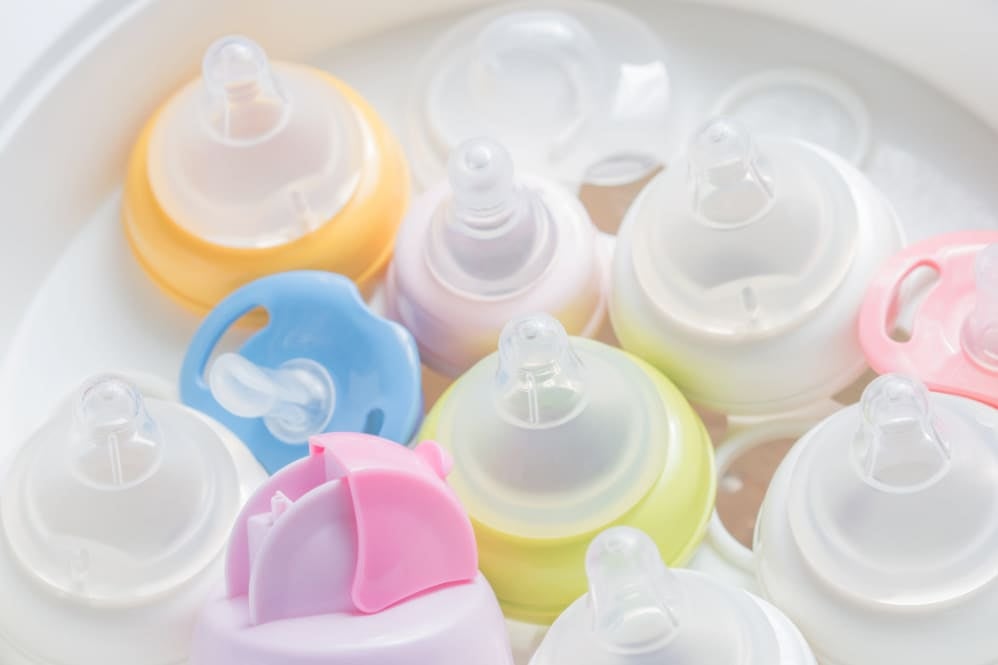
Keeping your baby healthy starts with the little things, like making sure their bottles are clean and safe. Sterilising may feel like extra work, but it’s a simple step that helps protect your little one from germs and harmful bacteria. Knowing your options and choosing the method that works best for you not only gives you peace of mind but also ensures you’re ready for every feed.
Why do I need to sterilise baby feeding equipment?
Your baby’s immune system is still developing, so they’re more vulnerable to bugs that can cause tummy upsets like diarrhoea and vomiting. That’s why it’s important to sterilise all your feeding equipment – like bottles and teats – until your baby is at least 12 months old.1
How to clean baby bottles before sterilising
Before you can sterilise your baby’s bottles, they’ll need a good wash.
With clean hands, take everything apart – bottles, lids, teats – and wash each piece in hot, soapy water. A bottle brush will help you get into those tricky spots. Make sure to clean teats inside and out and squeeze some water through the hole until it runs clear. Then, rinse everything under cold running water, and leave them to air dry on a clean cloth or paper towel.
How often should I sterilise baby bottles?
To protect your baby against infections, you should sterilise their bottles after every feed. The NHS recommends sterilising all your feeding equipment, including bottles and teats, until your baby is at least 12 months old.
What are the different methods to sterilise bottles?
The three main ways to sterilise your baby bottles are:
Boiling
- Check the items you want to sterilise are safe to boil
- Submerge them in a pan of boiling water for at least 10 minutes, making sure they stay under the water, or they won’t sterilise properly
This method is fast and easy, and you don’t need any special equipment. However, the high heat can damage teats over time, so check them regularly for cracks and tears.
Steam sterilising (and how to sterilise your baby bottles in a microwave)
- Add the recommended amount of water to the steriliser base or bag
- Place your bottles and teats upside down
- Microwave for the time recommended by the product’s instructions
- Let the bottles cool down before handling
This method is quick and chemical-free, but you need to invest in a special steriliser, microwave steriliser, or microwave sterilising bags.
Cold water sterilising solution
- Check your cold-water steriliser’s instructions
- Leave your items in the sterilising solution for at least 30 minutes
- To avoid trapped air bubbles, make sure your items are fully submerged
- Use the cover or plunger to keep your items under the solution
- Change the solution every 24 hours – it’s good to start afresh every day
This method is gentle and convenient for all items, although it takes longer and you must change the solution daily.
Can you sterilise baby bottles in a dishwasher?
No, you can’t sterilise your baby bottles, lids and teats in the dishwasher – but you can use it to clean them. Place everything on the top rack and facing downwards. You might want to wash the teats by hand to make sure they’re completely clean. Once they’re washed, they’re ready to be sterilised.
How do I store sterilised bottles safely?
After sterilising:
- You can leave your bottles in the steriliser or pan until you need them, but most manufacturers recommend using them within 24 hours
- Make sure you have clean hands before you handle anything, or use sterile tongs
- If you take any bottles out, make sure you put the lids and teats on right away
- Don’t dry them with a tea towel – let them air-dry on a sterilised surface
- Make sure you’re preparing feeds on a clean surface – you can always use the upturned steriliser lid2
What about sterilising breast pump parts and teats?
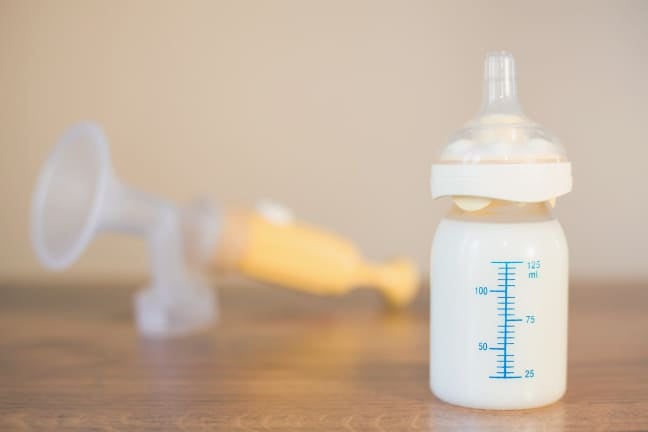
Just like any baby feeding equipment, you should wash your breast pump and its parts after every use.
How to clean and sterilise your breast pump:
- Wash your hands before expressing milk
- Store your expressed milk in a sterile container with a lid
- Take the pump apart and wash all parts that touched the breast or milk in hot, soapy water using a clean bottle brush
- Sterilise all parts using one of the methods above
- Let everything air-dry on a clean cloth or paper towel
- If milk gets into the tubing, replace it and always check for mould before you use it
Is sterilising still necessary after a certain age?
The NHS recommends sterilising all your feeding equipment, including bottles and teats, until your baby is at least 12 months old.
After 12 months, your baby’s immune system is more resilient, but it’s still important to wash all their feeding equipment thoroughly in hot, soapy water.
How to sterilise baby bottles while travelling?
If you’re going away and wondering how you’re going to sterilise your baby bottles without a steriliser, here’s a handy guide:
Before sterilising:
- Wash bottles, teats and parts in hot, soapy water
- Rinse thoroughly with clean water
Choose your sterilising method:
- Boiling water – submerge bottles and teats fully in boiling water for at least 10 minutes. Handle with clean hands or sterilised tongs.
- Cold water/Tablet method – fully submerge bottles in sterilising solution or tablet solution for at least 30 minutes. Change the solution every 24 hours.
- Microwave/Steam – use a microwave steriliser bag or compact steam steriliser, add water and sterilise according to the instructions.
After sterilising:
- Place items on a sterilised or disinfected surface
- Assemble the bottles as soon as they’re dry
- Keep sterilised bottles in a clean container
Travel kit essentials:
- Small pan for boiling water
- Cold-water sterilising tablets or solution
- Microwave steriliser bags or mini microwave steriliser
- Clean bottle brush and bowl
- Clean zip-lock or container for sterile storage
- Clean cloth or fresh roll of paper towels
- Ready-to-use formula milk and an already sterilised empty bottle
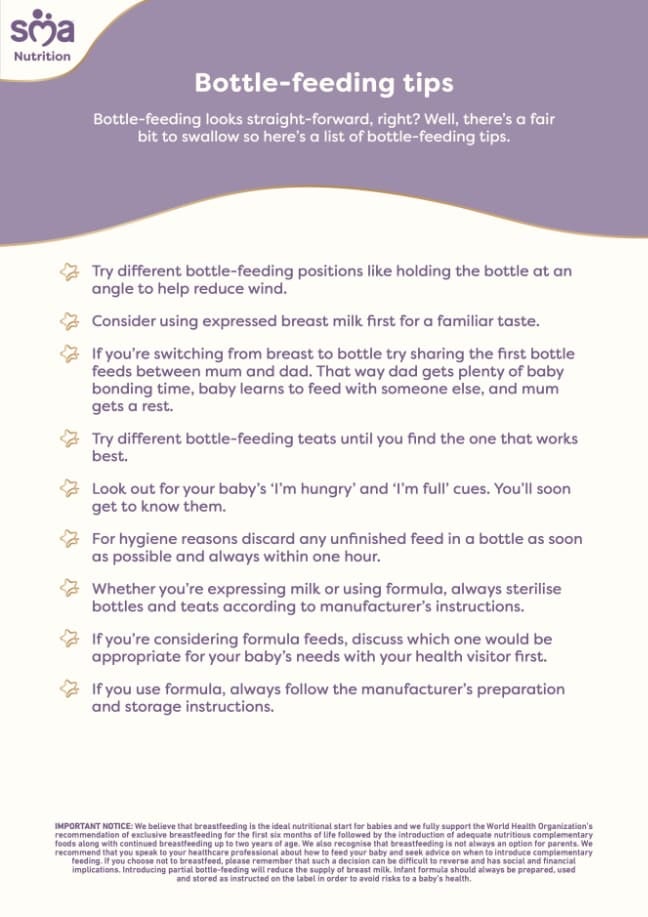
You can also read our handy bottle feeding tips checklist.

Author
Ellie Grove
Registered Dietitian, SMA® Nutrition UK&I
Ellie is a registered Dietitian and has a First Class BSc (Hons) degree in Nutrition and Dietetics from Surrey University.
She’s one of our lead health writers in the medical affairs team and specialises in baby feeding issues and specialist products.
She has a keen eye for rigorous research and enjoys dissecting health-related science and making it accessible and applicable to everyone.
Share on