

Introduction
Gut health is something many expectant parents hear about, often without much explanation. But what does it actually mean for you during pregnancy? At a time when your body is changing daily, understanding gut health can feel reassuring and help you support both your own wellbeing and your baby's early development.
This guide brings together the science, helping you feel informed and empowered throughout your pregnancy journey.
Key takeaways:
- Your gut microbiome naturally adapts during pregnancy to support your baby
- Hormonal changes affecting digestion, constipation and bloating are common and normal
- Simple dietary choices support both digestive comfort and beneficial bacteria
- Your gut health during pregnancy may influence your baby's early development
- There's no "perfect" approach: consistency and variety matter most
Understanding your gut microbiome
Your gut is home to trillions of microorganisms, mostly bacteria, collectively known as the gut microbiome. Scientists see this microbial community as a kind of living ecosystem1. Think of it as a diverse garden: the more variety, the more stable it tends to be2.
These tiny organisms aren’t harmful. In fact, they are essential partners in your health. They help break down food, support your immune system and produce short-chain fatty acids that help maintain your gut lining2 and reduce your risk of illness and disease10.
Characteristics of a healthy gut microbiome
When people talk about “gut health,” they’re often referring to both comfortable digestion and a well-supported microbiome. During pregnancy, there are a few key things that are often associated with a healthy gut microbiome.
1: A wide variety of gut bacteria
- Your gut contains many different types of helpful bacteria, such as lactobacillus (breaks down lactose in dairy, and supports a healthy gut pH), bifidobacterium (aids the digestion of fibre, among other benefits) and bacteroides (produces nutrients by breaking down complex carbohydrates)
- These bacteria, alongside many others, work to support digestion, help maintain a healthy gut, and support the immune system
- Having a variety of ‘good’ bacteria helps your gut do its job as it should1
2: A good balance of gut bacteria
- It’s important that no single type of bacteria overwhelms the others present in the gut
- A healthy balance of beneficial bacteria keep less helpful bacteria in check
- This balance can also support more comfortable digestion
3: How our gut adapts during pregnancy
- Your gut changes naturally throughout pregnancy, influenced by things like diet, stress, sleep, hormones and where you are in your pregnancy
- The gut microbiome responds to your body’s changing needs during this time4
Why is gut health important in pregnancy?
Pregnancy is a time of remarkable biological change — and your gut responds to those changes in ways that support both you and your growing baby.
Hormonal shifts and digestion
Progesterone, a key pregnancy hormone, relaxes smooth muscle throughout the body3. This serves an important purpose – it allows your uterus to expand comfortably as your baby grows. However, progesterone does not distinguish between uterine muscle and digestive tract muscle, so it also slows how food moves through your digestive system3. That’s why many pregnant women notice constipation, bloating or slower digestion.
The affects you might notice:
- Bloating, particularly after meals
- Feeling fuller for longer after eating
- Occasional gas or mild cramping
- Slower overall digestion
Many pregnant women experience these changes, which are a completely normal response to the hormonal environment required for healthy pregnancy.
How your immune system adapts during pregnancy
Your immune system performs a delicate balancing act during pregnancy. It must adjust to support your growing baby while continuing to protect you both from infections. These immune shifts also influence the composition of your gut microbes4, as your gut and immune system are closely interconnected.
Your body carefully balances tolerances (allowing your baby to grow) with protection (keeping you both safe from harmful bacteria and viruses). Your gut bacteria play an active role in this immune regulation2.
How your gut adapts during pregnancy
One of the most fascinating aspects of pregnancy is how your gut microbiome adapts to support your baby’s growth. Research shows that the maternal microbiome naturally reshapes itself during pregnancy4, particularly in the third trimester.
This remodelling process involves:
- Shifts in bacterial composition to help your body use energy more effectively
- Changes that support better absorption and use of nutrients from food
- Adaptations that support the body as it prepares for lactation
- Metabolic adjustments that support your baby’s growth and development
This natural remodelling supports both your metabolic needs and your baby’s development4. It’s your body’s sophisticated way of adapting to the demands of pregnancy.
Enhanced nutrient absorption
A comfortable, well-supported gut can help your body absorb essential nutrients more effectively during pregnancy, including key nutrients like folate, iron and calcium, which are important for your baby’s development5.
According to the NHS, a balanced diet with protein, dairy, wholegrains, fruits and vegetables5 supports both digestive comfort and optimal nutrient availability throughout pregnancy5.
At a Glance:
Pregnancy Changes Your Gut:
- Progesterone naturally slows digestion (essential hormonal adaptation)
- Your microbiome remodels to support your baby's growth
- Immune system adjusts while protecting both of you
- Nutrient absorption becomes more efficient
- These changes are beneficial—your body is adapting beautifully
How does my gut health in pregnancy affect my baby?
Parents often ask whether their own gut health can affect their baby, and the answer is: maternal gut health can play a role in early development, but your baby’s future microbiome isn’t determined by it, it is just one of many influences.
Your gut health during pregnancy may shape some of your baby’s earliest microbial exposures but doesn’t determine your baby’s future microbiome. Understanding this connection helps maintain perspective while supporting your health.
Microbial influences during pregnancy
The womb is a sterile environment and your baby does not have a gut microbiome until they are born. However, research indicates that some microbial products can cross the placenta4. These are not the same as fully formed, living bacteria establishing themselves in your baby’s gut. Instead, they are a more gentle introduction – exposing your baby to bacterial components and metabolic products from your gut ecosystem.
This exposure may play a role in preparing your baby’s developing immune system, offering a “preview” of the microbial world they will encounter after birth. This prenatal education of the immune system4 is one way your body supports your baby’s development before birth.
Birth as a moment in a longer journey
Your gut microbiome also helps shape the set of microbes your baby encounters during birth. The bacteria present in your body – influenced by your diet, health and environment – are what your baby may come into contact with during the birth process.
However, it's crucial to maintain perspective: this is just one moment in a much longer developmental story. Your baby's microbiome doesn't stop developing at birth. It continues to grow and change throughout the rest of their life.
Ongoing development after birth
After birth, your baby's microbiome continues evolving based on:
- Feeding method and frequency (breast milk or formula)
- Skin-to-skin contact and cuddles
- Interactions with family members
- Home environment
- Gradual introduction of solid foods from around 6 months8
- Everyday experiences and care routines
These ongoing influences shape bacterial diversity gradually and naturally throughout infancy and into childhood. Nothing is fixed at birth. So try not to worry – there is no single “perfect” microbiome start.
What affects my gut health during pregnancy?
Several factors work together to influence your gut health throughout pregnancy. Understanding these helps you make supportive choices without creating unnecessary anxiety.
Hormonal changes
Progesterone is the primary hormonal driver of digestive changes3 during pregnancy. This hormone rises steadily throughout pregnancy, with its effects on digestion becoming more noticeable as the weeks progress.
The slowing of digestion isn't a side effect to be avoided – it's an intentional adaptation that allows your body to enhance nutrient extraction from food to support your baby's growth. However, this can lead to constipation, which is why other supportive measures become important.
Diet and fibre intake
Dietary fibre helps keep things moving5 through your digestive system and provides essential nutrition for beneficial gut bacteria. Fibre acts as food for these helpful microbes, supporting their growth and diversity.
Different types of fibre have different benefits:
- Soluble fibre (from oats, beans, fruits) softens stools and feeds bacteria
- Insoluble fibre (from wholegrains, vegetables) adds bulk and speeds transit
Both types work together to support comfortable digestion.
Hydration
Water plays a crucial supporting role in gut health. It helps fibre work effectively, softens stools for comfortable passage, and supports the general function of your digestive system. During pregnancy, your fluid needs increase, making consistent hydration even more important.
Physical activity
Gentle activity like walking or pregnancy yoga6 provides multiple benefits for gut health. Movement helps stimulate the natural contractions of your intestinal muscles, encouraging food to move through your system more efficiently. This can help ease the sluggishness caused by progesterone.
Even 10-20 minutes of gentle walking daily can make a noticeable difference in digestive comfort.
The gut-brain connection
Your gut and brain communicate constantly through neural, hormonal, and immune pathways - what scientists call the ‘gut-brain axis’9. Stress, worry, or disrupted sleep, all common experiences during pregnancy, can influence digestive comfort and even affect the composition of your gut bacteria.
This connection works both ways. Supporting your gut health through nutrition5 and gentle movement6 can also support your emotional wellbeing during pregnancy.
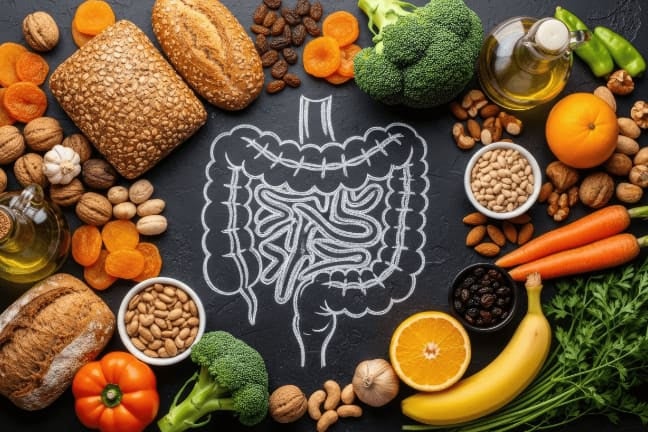
How to improve gut health during pregnancy?
Supporting gut health during pregnancy doesn't require complicated protocols or expensive supplements. Simple, evidence-based dietary and lifestyle choices make the most meaningful difference.
Building a foundation with fibre-rich foods
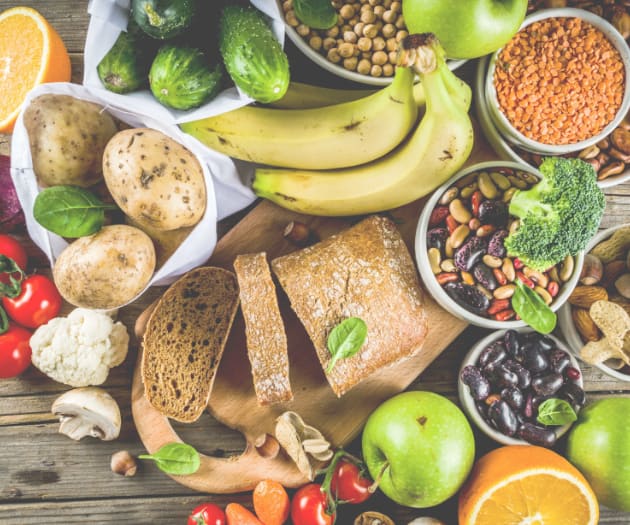
A varied diet rich in fibre supports both digestive comfort and beneficial bacteria5. Fibre comes in many forms, and including variety ensures you're supporting your gut in multiple ways. The greater the variety of plant foods you eat, the more diversity you will have in your gut microbiome.
Vegetables to include regularly:
- Broccoli, carrots, sweet potato, peppers, leafy greens
- Cooked and raw vegetables both provide benefits
- Different colours provide different nutrients and fibres
- Aim for variety across the week
Fruits for fibre and nutrients:
- Berries, apples, pears, oranges, bananas, kiwis
- Keep skins on where appropriate (extra fibre)
- Fresh, frozen, or dried all count toward intake
- Natural sweetness satisfies cravings healthily
Wholegrains as dietary staples:
- Oats, brown rice, wholemeal bread, wholegrain pasta
- Quinoa, barley, buckwheat, whole wheat cereals
- Choose "whole" over refined versions when possible
- Provide sustained energy alongside digestive benefits
Legumes for fibre and protein:
- Lentils, chickpeas, beans (kidney, black, butter beans)
- Excellent combination of fibre and protein
- Versatile in soups, stews, salads, and curries
- Support both gut health and pregnancy protein needs
Nuts and seeds:
- Almonds, walnuts, Brazil nuts, pumpkin seeds, chia seeds, ground flaxseed
- Nut butters offer convenient options
- Small portions (approximately 30g) throughout the day
- Provide healthy fats alongside fibre
All these foods support digestive comfort and nourish beneficial bacteria5, helping counter the digestive slowing caused by pregnancy hormones.
Probiotics and prebiotics: natural sources
Including both probiotic and prebiotic foods creates a synergised effect for gut health.
Probiotic foods contain beneficial bacteria that can establish themselves in your gut:
- Plain live yogurt (look for "live and active cultures" on the label)
- Kefir (fermented milk drink or yoghurt)
- Saurkraut or Kimchi
- Other fermented foods if you enjoy them
Prebiotic foods provide nourishment for your beneficial bacteria:
- Bananas (especially slightly under-ripe)
- Oats (overnight oats or porridge are an easy option)
- Leeks, onions, shallots, garlic (cooked or raw)
- Asparagus, Jerusalem artichokes, mushrooms
This natural pairing - eating probiotic foods alongside prebiotic foods - helps support and maintain bacterial diversity in your gut. Simple combinations like banana with live yogurt or overnight oats with kefir provide both elements together.
The importance of hydration
Water helps fibre move through your digestive system and supports softer, more comfortable stools. During pregnancy, your fluid needs increase to support your expanding blood volume, amniotic fluid, and your baby's development.
Practical hydration strategies:
- Aim for 6-8 glasses of fluid daily
- Small, frequent sips work better than large amounts at once
- Keep a water bottle visible throughout the day as a reminder
- Add lemon, cucumber, or mint if plain water feels boring
- Herbal teas count toward fluid intake (always check for pregnancy-safe varieties with your midwife)
- Tea and coffee also count towards your fluid intake (be mindful of the 200mg caffeine recommendations during pregnancy)
Gentle movement for digestive health
Activities like walking or antenatal yoga6 provide multiple benefits during pregnancy, including support for digestive comfort. Physical movement helps stimulate the natural contractions of your intestinal muscles, encouraging food to move through your system more efficiently.
Exercise ideas that can support digestion:
- Walking: at least 20-30 minutes most days, or 10 minutes after meals
- Pregnancy yoga: combines gentle movement with stress reduction
- Swimming: low-impact and comfortable for many pregnant women
- Stretching: simple movements to ease tension and sluggishness
Even gentle activity makes a difference. You don't need high-intensity exercise – regular, moderate movement throughout the day supports both digestive and overall pregnancy health.
Eating patterns and meal timing
How you eat can be as important as what you eat when it comes to digestive comfort during pregnancy.
Smaller, more frequent meals:
- Can smooth out digestive discomfort and nausea
- Prevents the overly-full feeling common with slower digestion
- Helps maintain steady energy levels
- Easier on your digestive system
- Can help aid symptoms of acid reflux and indigestion
Practical approach: Try 5-6 smaller meals throughout the day instead of 3 large ones. Include a source of protein, fibre, and healthy fats in each meal or snack. Don't skip meals even if your appetite feels reduced - consistent eating supports both your nutrition and comfortable digestion.
Recognising when to seek support
Many digestive changes during pregnancy are normal responses to the hormonal environment your body needs to sustain pregnancy. However, knowing when to seek professional guidance helps ensure both your comfort and your baby's wellbeing.
Common normal changes
These digestive experiences affect many pregnant women and are typically hormonal responses:
- Constipation or changes in bowel frequency
- Bloating, especially after meals or later in the day
- Occasional heartburn or indigestion
- Feeling fuller after smaller portions
- Mild, occasional cramping or gas
These are usually caused by progesterone's effect on your digestive system3 and don't typically indicate a problem.
When should I speak to a healthcare professional?
Routine guidance recommended for:
- Ongoing constipation not improving with dietary changes
- Persistent bloating affecting your quality of life
- Uncomfortable or painful digestion
- Concerns about whether you're getting adequate nutrition
Contact your midwife or GP straight away if you experience:
- Severe or persistent abdominal pain that doesn't ease
- Blood in stools or very dark, tarry stools
- Diarrhea lasting more than 2 days
- Inability to keep food or fluids down
- Sudden changes in bowel habits accompanied by pain
- Unexplained weight loss
- Anything that simply doesn't feel right
Your GP, midwife, or health visitor is there to provide support and reassurance. You don't need to wait until something feels "serious" – your comfort and peace of mind matter, and healthcare professionals would rather you contact them than worry alone.
Supporting your gut health throughout pregnancy
Gut health during pregnancy isn't about achieving perfection. It's about understanding your body's changes, supporting those changes gently through varied, balanced nutrition5 and gentle activity6, and responding to your needs with patience and self-compassion.
Your gut microbiome is naturally adapting4 to support your pregnancy journey. The simple, everyday choices you make about food, movement, hydration, and rest all contribute to comfortable digestion and may support your baby's early development.
Many digestive changes are temporary and will improve after your baby arrives. In the meantime, small adjustments to diet and lifestyle can make a meaningful difference to your comfort. And remember – you're already doing so much right for both you and your baby.

Author
Sophie Mumby
Registered Dietitian
Sophie is a Registered Dietitian with over 10 years experience working across NHS and private practice. She has a first class honours undergraduate masters degree in Nutrition and Dietetics and a post graduate certificate in eating disorders.
Share on