


Introduction
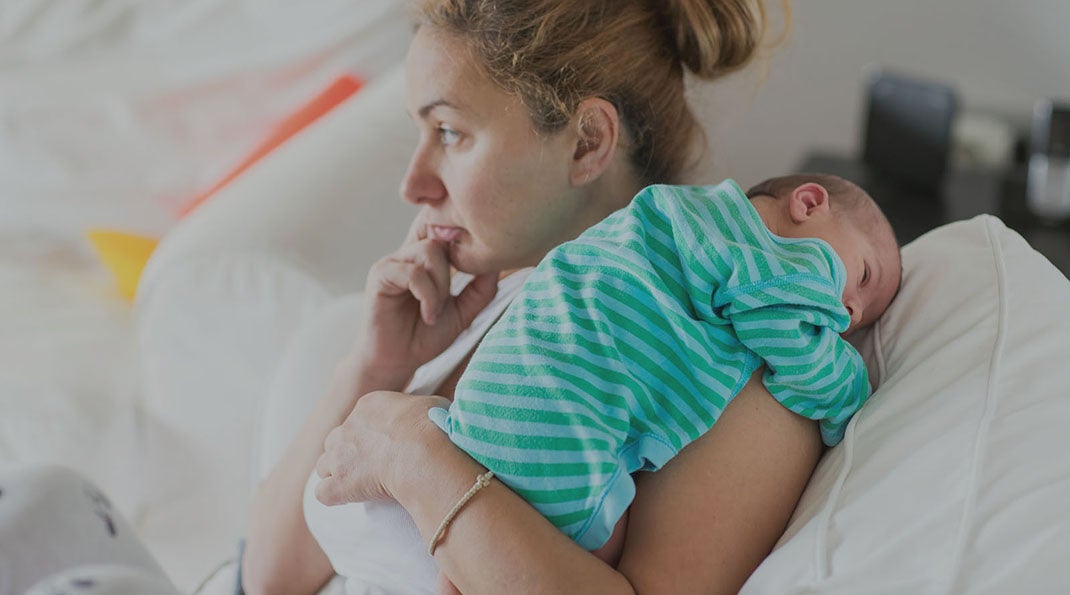
You’ve just had a baby! But maybe you’re not feeling quite the way you expected to. Postnatal depression is a mental health condition no-one wants, but no-one should ignore – and it can affect any parent, whether they gave birth or not.
What’s important to know is that it’s not a sign of weakness, it doesn't mean you’re a bad parent, and it affects more people (including dads and partners) than you might realise. And it’s certainly not something you can simply ‘shake off’. The good news is that with proper care and support, most people make a complete recovery.
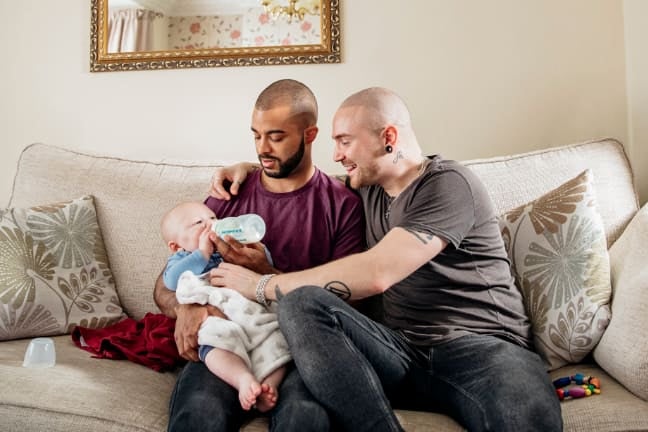
Can dads and partners experience postnatal depression?
Yes – postnatal depression doesn’t just affect the person who had the baby. Dads and partners can experience it too. In fact, research suggests that around 1 in 4 dads experience mild depressive symptoms during their baby’s first year. First-time dads may be especially vulnerable to male postnatal depression compared with those welcoming their second or later child.1
What are the signs of postnatal depression in dads and co-parents?
Postnatal depression in men and partners often goes unnoticed, so it’s important to know the signs. Symptoms usually peak around three to six months after the baby is born, and many of them can easily be mistaken for the normal stresses of looking after a newborn.
Some postnatal depression symptoms include:
- Emotional overload – a low mood, a persistent feeling of sadness, or general anxiety
- Low energy – feeling tired all the time and finding it hard to enjoy things
- Withdrawal – stepping back from family, work, or social life
- Bonding difficulties – struggling to connect with your baby, or worries you’ll hurt them2
- Indecisiveness – finding it hard to concentrate and make decisions
- Irritability – increased frustration, anger, or cynicism
- Using substances to cope – relying on alcohol or drugs to manage your feelings
- Sleep problems – trouble falling or staying asleep
- Physical symptoms – headaches, stomach issues, appetite or weight changes, or other aches and pains3
- Neglecting self-care – not washing or changing clothes, or looking after yourself
- Constant worry – feeling like something’s wrong with your baby, even after reassurance4
If you recognise any of these signs, don’t suffer alone. Try talking to someone you trust – your partner, a close family member, or a friend. You can also get in touch with your GP or health visitor. Support early on can make a big difference in how quickly you start to feel better.
How does postnatal depression affect relationships and bonding with your baby?
Relationships
Welcoming a baby is a huge life change, and it’s completely normal for it to affect your relationship. But postnatal depression can make things feel even more challenging.
If you or your partner is experiencing postnatal depression, you may find it harder to connect emotionally or physically. This can sometimes leave the non-depressed partner feeling frustrated, lonely or unsure of how to help.
The most important thing is to talk about it. Try to talk honestly, gently, and calmly with each other about how you’re feeling. And if you need more support, contacting your midwife, health visitor, or GP can make a big difference.
Bonding with your baby
Postnatal depression can make bonding with your baby harder. While some parents connect with their baby straight away, others need more time – and depression can slow this down.
Parents with postnatal depression may find themselves less responsive or emotionally available, which can make everything more challenging. They may find themselves playing, talking, reading, or singing to their baby less often, or find they’re feeling more negative than usual.
If you notice any of these signs, reaching out for help is the most important step. Support and recovery can make bonding much easier again5. Why not try the Edinburgh Postnatal Depression Scale, which is a Q&A developed by experts which you complete to help identify whether you have postnatal depression. Add your scores up at the end and discuss with your HCP.
What can I do if I think I have postnatal depression?
If you’ve been feeling depressed, anxious, or down for more than two weeks or you’ve been experiencing any of these symptoms, it’s important to tell someone. Speaking to your partner, close family member or friend can help.
If you feel you need more support, tell your midwife, health visitor, or GP how you’re feeling. And if talking about it feels hard, you can always write down what you want to say first or ask someone you trust to go with you.
The good news is that postnatal depression can be treated, and with the right support, you can make a full recovery.6
“I thought becoming a dad would click into place straight away, but instead I felt completely overwhelmed. I loved my baby, but I didn’t feel like myself, and I wasn’t sure if I was doing anything right. It took me a while to realise I wasn’t alone — and that asking for help didn’t make me any less of a parent.”
How can I support my partner through postnatal depression?
If your partner seems more withdrawn, reluctant to go out, unusually irritable, or just ‘not themselves,’ these may be signs of postnatal depression. Encourage them to talk openly about how they’re feeling – with you, a friend, their health visitor, or their GP.
Other ways you can support them include:
- Going with them to the GP, if they’d find that helpful
- Listening with empathy and letting them share their feelings without judgement
- Helping them rest, eat well, and get some fresh air or take short walks together
- Asking family or friends to help with meals, chores, or babysitting
- Spending some time together as a couple when you can
- Looking out for local support groups they might find helpful
- Reminding them regularly that they’re doing a great job7
Remember to look after yourself too. Supporting a partner with postnatal depression can be emotionally draining. Make sure you have someone you can talk to and take breaks when you need them.
How long does postnatal depression last?
Left untreated, postnatal depression can continue for months or years, and it can get worse. The good news is, the earlier you reach out to your GP, midwife, or health visitor, the sooner you’ll get the care you need to make you feel like you again.
Where can dads and partners find help and support?
It’s important to speak to a GP, midwife, or health visitor as soon as possible if you think you may be depressed. Your healthcare professional will then be able to talk you through the pros and cons of different treatments to find the one right for you.
The main types of treatment are:
- Self-help – doing things like talking to your friends and family about how you feel, getting as much rest as you can, exercising regularly and eating healthily
- Guided self-help – working through a book or online course on your own or with some help from a therapist
- Cognitive behavioural therapy (CBT) – a type of therapy that encourages you to rethink negative behaviour. Often carried out 1-to-1 with a therapist or in a group
- Interpersonal therapy – talking to a therapist about the problems you’re facing and how they might relate to your feelings of depression
- Antidepressants – may be recommended if you have moderate or severe depression8
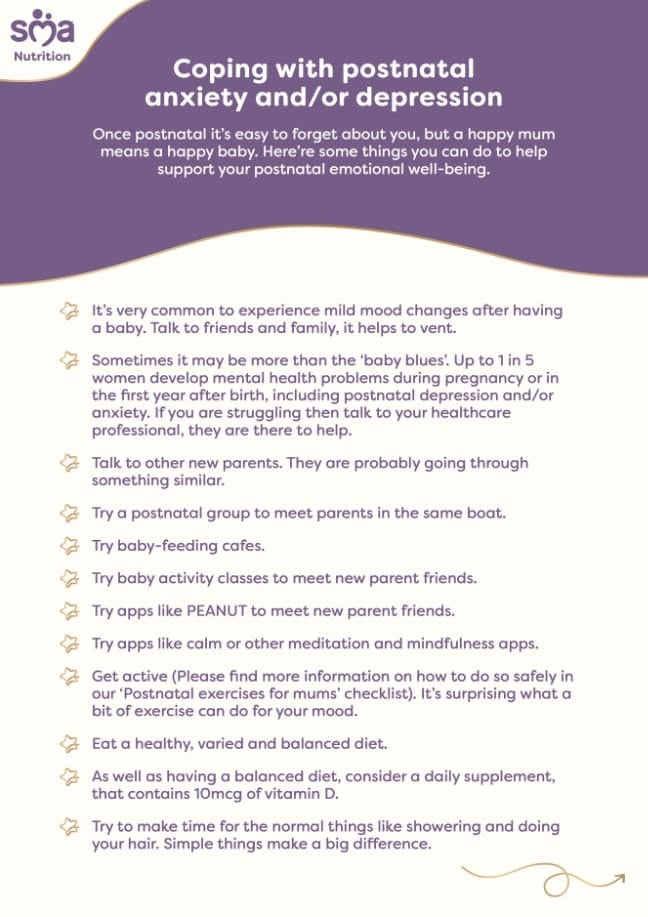
Read our handy checklist on postnatal anxiety for tips for you or your partner.
Is it normal to feel overwhelmed or disconnected after birth?
Feeling tired, overwhelmed, or anxious as a new parent is totally normal. Many parents experience the ‘baby blues’ – feeling teary, irritable, or anxious – usually starting a few days after birth.
Lack of sleep, worries about being a good parent, financial pressure, going back to work when you don’t feel ready, or simply adjusting to a whole new lifestyle can all play a part.
These feelings usually pass by the time your baby is five to ten days old, as you become more confident and comfortable in your new role.
Postnatal depression is different. It’s when your feelings are much stronger (sadness, hopelessness, or guilt), all-consuming and persist for weeks or months.9 Read our article on how to spot the difference between postnatal depression and baby blues.
Are there any self-help techniques?
Postnatal depression can make you want to hide away from the world but looking after yourself can really make a difference. Start small and take things at your own pace.
Here are a few simple self-help ideas you might like to try:
- Talk it out – chat to your partner, a friend, or a family member you trust about how you’re feeling
- Meet other parents – parent and baby groups can be a lovely way to connect with people going through the same thing
- Let go of the guilt – these feelings aren’t your fault
- Move a little – even a short, gentle walk can release feel-good hormones and lift your mood
- Eat regularly – and healthily, even if you don’t have much appetite
- Avoid alcohol and smoking – they can make you feel worse10

Midwife Live Chat
As part of our commitment to supporting you on your parenting journey, we’ve partnered with Epical Global to give SMA® Baby Club members access to trusted expert support. You can chat live with a team of expert midwives, available every day from 10am–8pm, to help answer your questions. We’ve also expanded this support to include a dedicated health visitor every Monday from 10am–2pm, and an expert dietitian from Monday to Thursday, 12pm–4pm.

Author
Siobhan Jarzabek
Midwife
Siobhan is a midwife and a Newborn Life Support Instructor with the Resuscitation Council UK. She is passionate about family-led care and is dedicated to providing families with accessible, evidence-based education and information to support informed decision-making throughout their care journey.
Share on