

Introduction
Did you know around 1 in 4 pregnant women in the UK has a caesarean section (or C-section)?1 And, although it’s a routine procedure, it’s also a major operation that your body (and mind) will need plenty of time to recover from. So be gentle with yourself and allow yourself to rest and heal.
Because no two birthing journeys are the same, you may know ahead of time you’re having a C-section – it might have been recommended as a planned (elective) procedure. Or the decision may be made during labour – when circumstances change and it’s thought a vaginal birth will put you or your baby at risk.
Why might I need a C-section?
You might be offered a C-section if:
- Your baby is breech (bottom first) or in another awkward position
- Your baby’s not getting enough oxygen and nutrients, and their health is at risk
- Your labour’s not progressing or there’s excessive vaginal bleeding
- Your placenta is sitting low or covering the cervix, known as placenta praevia
- The umbilical cord has slipped forward, known as a cord prolapse
- You have a pregnancy-related health condition, such as pre-eclampsia
- You’re expecting more than two babies – or twins where the first baby isn’t head down
- Another medical condition makes it the safest option2,3
What is a C-section recovery like in the first few days?
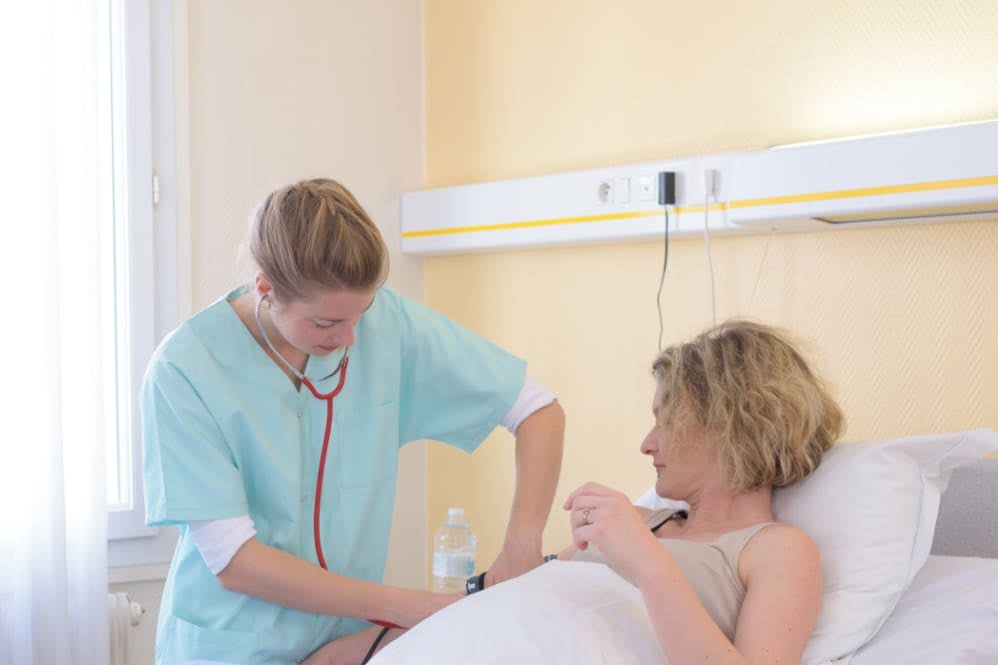
Providing everything goes smoothly, you’ll probably stay in hospital for a couple of days after your caesarean operation to recover. Once you’re home, it’s all about taking things easy and giving your body a chance to recuperate.
You might feel some tummy discomfort for the first few days – but don’t worry, you’ll be offered painkillers to help with this.
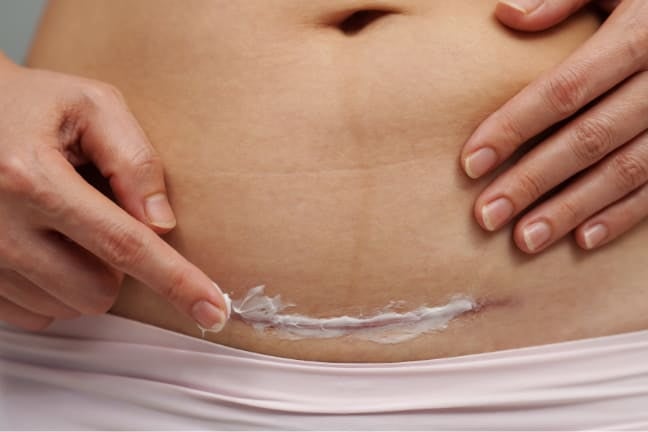
Your wound might not look great right now, but it will fade and become much less noticeable with time.
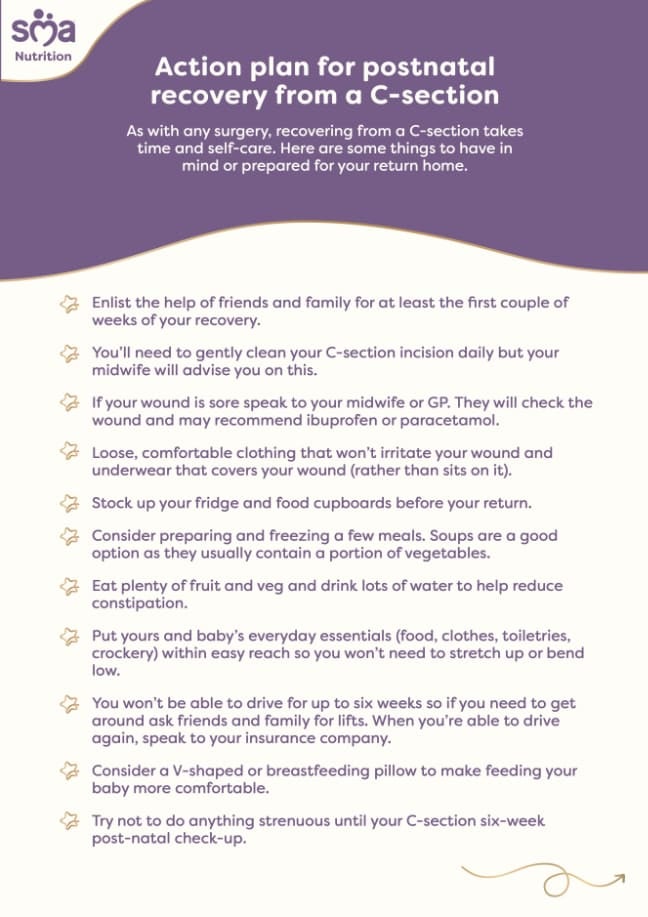
There are also a few things you’ll need to avoid for a bit, like driving and exercise, until your doctor gives you the all-clear at your 6-week, postnatal check-up.4 Download our handy guide for recovery from a c-section.
How can I manage pain after a C-section?
It’s only natural your wound will feel a bit sore and tender for a few days or even a couple of weeks after your operation. It’s also normal to feel achy and experience some back pain after a C-section.
Before you head home, your midwife or doctor will talk you through how to look after your wound and give you painkillers like paracetamol, ibuprofen or diclofenac, to help keep you comfortable.5 If you’re breastfeeding, your healthcare provider will recommend a dose that’s safe for you and your baby.
On top of the pain relief, be kind to yourself. Rest when you can, take things slowly, and stick to loose, comfy clothing and underwear – things that don’t dig in.
What should I know about caring for my wound?
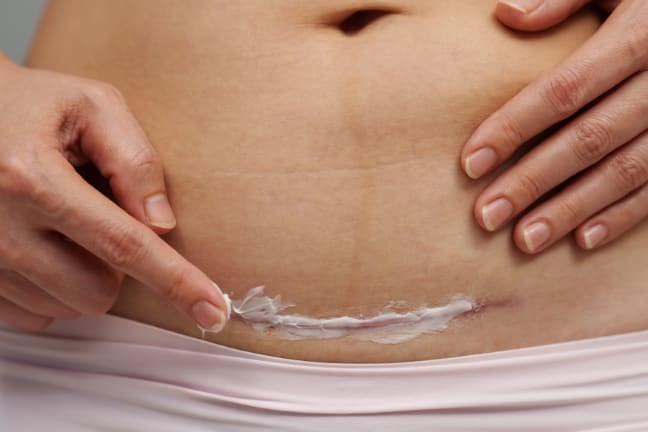
Your midwife will visit you at home to check your wound is healing and remove your dressing. They’ll also remove your stitches or staples after about 5 to 7 days – unless you’ve got dissolvable ones. 6
Once your dressing is off:
- Gently clean and dry your wound every day
- Stick to loose, comfy clothing and cotton underwear
- Take a painkiller if your wound feels sore – for most people, paracetamol or ibuprofen are best if breastfeeding (but not aspirin)7
- Keep an eye out for signs of infection – if something doesn’t look or feel right, tell your midwife or GP straight away
When can I start moving around, driving, or exercising?
Think slow and steady. During your C-section recovery time, gentle movement like a daily walk is great, just make sure you don’t overdo it.
You should also be fine to hold and carry your baby, but things like driving, exercise, sex, or lifting anything heavier might need to wait until you’ve recovered a little more – the best thing to do is wait until your GP gives you the go-ahead at your 6-week postnatal check.8
You know your body best, but if there’s anything else you’re not sure about, chat to your midwife or bring it up at your 6-week postnatal check.
How long does bleeding last after a C-section?
Bleeding after your C-section? Don’t worry, it’s totally normal to have some vaginal bleeding for up to six weeks after your baby arrives – this happens after both vaginal and C-section births.
It will be heavier at first and you might find you’re changing your maternity pad every few hours, but it should slow down and become less heavy as the weeks go on.
Maternity pads are recommended over sanitary pads, as they’re more absorbent, and internal sanitary products like tampons and menstrual cups aren’t advised for the first six weeks.9
Contact your midwife or GP straight away if:
- Your bleeding becomes heavier or starts suddenly
- Your bleeding last longer than 12 weeks
- You pass any large clots (golf ball size) in the first 24 hours – some clots can be normal but show them to your midwife if possible
- You notice signs of infection, such as severe pain, a high temperature, shivering, or bleeding/discharge with an unpleasant smell
- You feel pain when peeing
- You’re leaking urine10
Can I breastfeed after a C-section?
Yes, you can breastfeed after a C-section. It might take a little longer to get comfortable, especially if you’re sore or not moving easily, so make the most of your time in hospital and ask staff for help.
If feeding feels uncomfortable, try different positions like the rugby hold – lying on your side with your baby away from your wound.11
We have plenty of advice and tips for breastfeeding after a c-section.
What emotional changes might I experience?
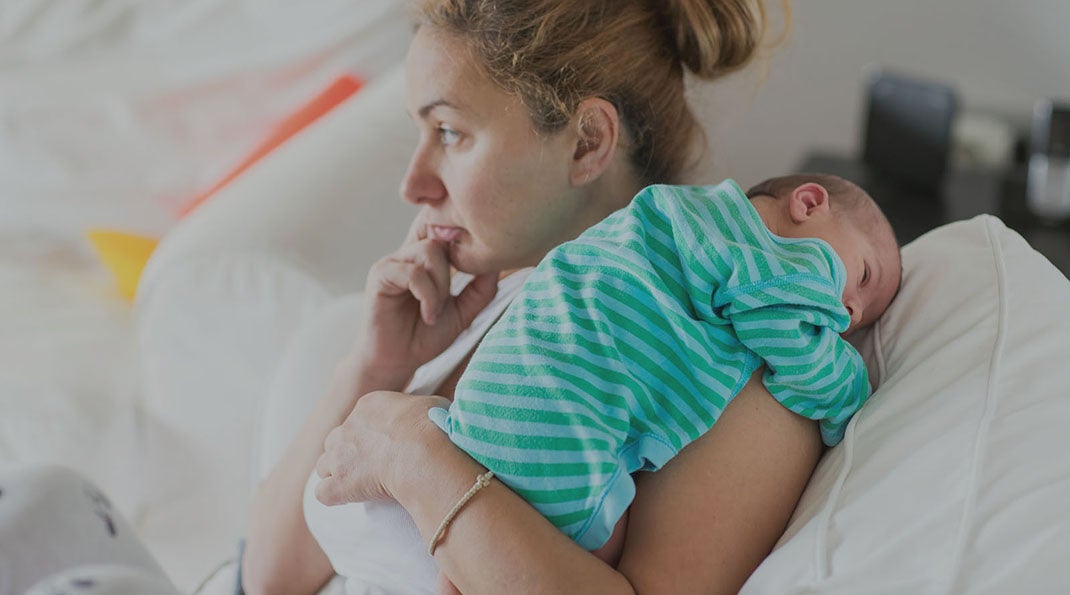
Emotional recovery after a C-section is just as important as physical healing. It’s completely normal to feel overwhelmed, anxious, or even disappointed, if things didn’t go as you’d planned.
The number one rule is to be gentle with yourself, lean on those around you, and give yourself time. Share how you’re feeling with your partner or a trusted family member or friend. And if you’re worried, chat to your midwife or health visitor who can help you get further support, if needed.
“I knew a C‑section was major surgery, but I don’t think I realised how much my body — and my emotions — would need time to heal afterwards. I wasn’t prepared for how slow I’d have to move, or how much help I’d need in those early days. Looking back, I wish I’d known it was okay to rest, to ask for support, and to be kind to myself while I recovered.”
How can I ask for help during c-section recovery?
It can be hard asking for help, but this is the time to lean on any support you have. If you don’t have friends or family nearby, think about who you could reach out to. If you’re planning a C-section, you might also prepare by asking others to help with things ahead of time like freezing meals and deciding who can help with which tasks.
Your midwife will visit the day after you come home. If it helps, ask them how often they’ll return and who to contact between visits. Your health visitor will also come round at least once, with later check-ins usually happening at a clinic. Be honest with how you’re feeling, as they can come more often, if you find you need extra support.12 You can also speak to a midwife via our Midwife Live Chat service available Mon-Fri 10am to 8pm.
What are some tips for sleeping and resting with a newborn?
Whether you’ve had a caesarean operation or not, the first few months can take some getting used to – especially with your little one waking several times during the night.
If getting in and out of bed is uncomfortable, you could try:
- Rolling onto your side
- Placing both legs over the edge of the bed
- Pushing yourself up sideways into a sitting position
- To lie back, simply reverse the steps13
Here are some tips to help you feel more rested with a newborn:
- Sleep when your baby sleeps – the housework can wait, rest is important
- Get an early night whenever you can
- Share the nights – if you’re formula feeding, your partner can help with night feeds. If you’re breastfeeding, they can get your little one ready in the morning so you can stay in bed a little longer
- Ask friends and family for support – they might be able to look after your baby while you rest
- Get to know your baby’s sleep patterns – understanding their routine can help you plan a rest
- Get some fresh air – a gentle walk can be refreshing and help reduce tiredness
- Try relaxation exercises – like these simple breathing techniques from the NHS14
When should I contact a doctor during recovery?
During your C-section recovery time, it’s normal to feel unsure about what to expect. Keep an eye out for signs of infection – like a high temperature, feeling unwell, or your wound becoming red and swollen. If something doesn’t look or feel right, tell your midwife or GP straight away.
Any of these symptoms should be checked out as soon as possible:
- Severe pain
- Leaking urine
- Pain when peeing
- Heavy vaginal bleeding
- Your wound becoming more red, painful and swollen
- Any pus or unpleasant smelling discharge from your wound
- A cough or feeling short of breath
- Swelling or pain in your lower leg15
Midwife Live Chat
As part of our commitment to supporting you on your parenting journey, we’ve partnered with Epical Global to give SMA® Baby Club members access to trusted expert support. You can chat live with a team of expert midwives, available every day from 10am–8pm, to help answer your questions. We’ve also expanded this support to include a dedicated health visitor every Monday from 10am–2pm, and an expert dietitian from Monday to Thursday, 12pm–4pm.

Author
Katie Wainwright
Midwife & Registered Nurse
Katie is an experienced midwife with over 20 years of supporting women, babies, and families throughout pregnancy, birth, and the transition to parenthood. With a warm and approachable style, she is dedicated to helping families navigate their journey with confidence, providing reassurance and guidance through any questions, worries, or concerns they may have along the way.
Share on