


Introduction
Your baby's gut microbiome – the community of trillions of microorganisms living in their intestines - begins its journey at birth and continues developing throughout infancy and childhood. Understanding this development can help you feel informed and reassured as you support your baby's health.
This guide explains how your baby's gut microbiome develops from birth through their first foods, and shares gentle, evidence-based ways you can support this natural process.
Want to understand how pregnancy influences gut health? Read our guide on Gut Health During Pregnancy.
Key takeaways:
- Gut microbiome development begins at birth and continues throughout childhood
- Birth method influences early bacteria but doesn't solely determine lifelong gut health
- Feeding, skin contact, and environment shape ongoing development
- Simple daily care supports healthy microbiome growth
- Every baby's journey is unique—there's no single "perfect" microbiome
Belly to birth: how do babies develop their gut bacteria?
The way your baby is born influences which bacteria they encounter first, though this is just the beginning of a longer developmental journey. Understanding these initial differences helps you to support your baby's gut health development.
Vaginal birth and the initial microbiome
During vaginal birth, babies encounter bacteria from the birth canal and surrounding skin. This bacteria, includes species like Lactobacillus1 and may contribute to the early development of their newborn microbiome.
These microbes begin establishing themselves in your baby's gut, where they'll help with digestion, immune development, and protection against potentially harmful bacteria.
Caesarean birth and microbiome development
Babies born by caesarean section encounter a different initial bacterial environment1 compared to vaginal birth. Instead of birth canal bacteria, they're first colonised by bacteria from skin contact and the hospital environment. This leads to an initial microbiome composition that differs from vaginal birth.
Over time, your baby’s gut develops from interactions with the world around them
These initial differences are normal, expected, and temporary. Research demonstrates that as babies grow, feed, and interact with their environment, microbiome differences between birth methods become less pronounced over time1.
A caesarean birth, whether planned or unplanned, does not prevent your baby from developing a healthy gut. It simply means they start from a different place. Over time, feeding method, physical closeness, home environment, and everyday life experiences have a far greater impact on gut health than the way your baby was born. Your microbiome also helps shape the set of microbes your baby encounters during birth, though this is just one moment in a long developmental process.
The first few months: how does a newborn’s gut microbiome develop?
Your baby's gut microbiome begins developing from birth and continues to evolve rapidly during the first months. This is a period of remarkable growth and adaptation.
What’s happening in your baby’s gut?
During the first months of life, your baby's digestive system is actively learning and developing:
- Breaking down milk into nutrients
- Managing gas and digestive processes
- Building healthy immune responses with help from gut bacteria2
- Gradually increasing bacterial diversity and complexity
This is a dynamic period of rapid change. Your baby's gut bacteria are establishing themselves3, learning to work together, and supporting your baby's growth and development.
What influences early development of the gut microbiome?
- Feeding and frequency
- Skin-to-skin contact
- Closeness and bonding
- Family members and home environment
- Exposure to animals, pets and soil/dirt
Did you know, each home has its own unique microbial profile4. Your baby gradually acquires aspects of your household microbiome from:
- Siblings, grandparents, other regular caregivers
- Pets in the home
- Other people not in your household can also influence a babies microbiome including other children and babies met in social situations or at daycare6
These exposures help shape microbial diversity gradually and naturally throughout infancy.
At a Glance:
the development timeline
- Birth: Initial bacterial colonisation begins
- Days 1-7: Rapid bacterial growth and establishment
- Weeks 2-12: Microbiome composition stabilises around feeding pattern
- Months 3-6: Continued diversification and immune system education
- Month 6+: Solid foods drive major expansion in microbiome diversity
- Age 1-3: Microbiome gradually matures toward adult-like composition
What are gentle ways to support my baby’s gut health?
Supporting your baby's developing gut microbiome doesn't require expensive supplements or complex routines. The simple, loving care you naturally provide offers exactly what your baby needs.
The power of skin contact
Skin-to-skin contact serves multiple purposes for your baby's developing gut health.
Benefits for gut and overall health:
- Helps regulate your baby's stress levels, as stress affects digestion
- Provides natural, beneficial microbial exposure through skin contact
- Especially valuable in the early weeks but beneficial at any age
Responsive feeding practices
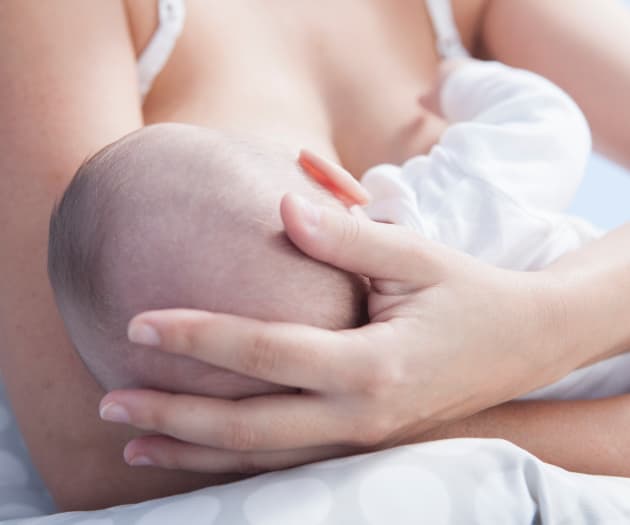
Responding to your baby’s hunger and fullness cues can help them feel calm and comfortable during feeds, which may also support easier digestion.
What responsive feeding looks like:
- Recognising hunger cues (rooting, sucking movements, hand-to-mouth)
- Allowing baby to determine feeding pace and duration
- Respecting fullness cues (turning away, closing mouth, relaxing body)
- Avoiding pressure to finish feeds
- This approach supports your baby's natural digestive rhythm and prevents overfeeding discomfort. It works equally well for both breast and bottle feeding
Supporting comfortable digestion
Simple techniques help ease common digestive experiences in young babies:
Burping and positioning:
- Burp during and after feeds to release trapped gas
- Hold baby upright for 10-20 minutes after feeding, baby wearing can be helpful
- Gentle upright positions support comfortable digestion
- Try different burping positions if one doesn't work
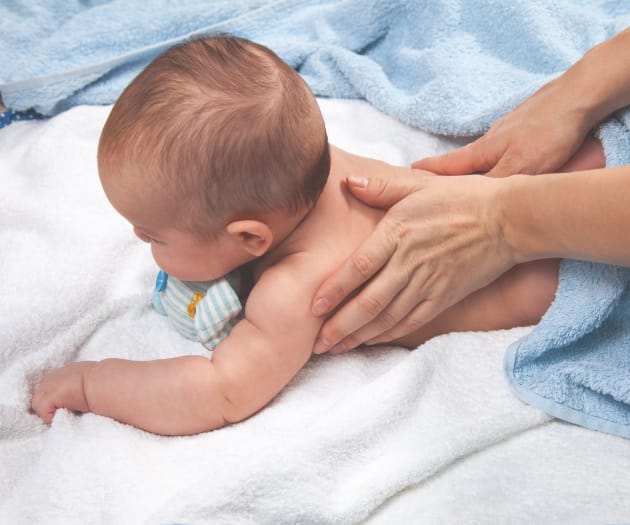
Gentle movement and massage:
- Light tummy massage using clockwise circles
- Bicycle leg movements can help ease trapped wind
- Gentle movement while holding baby
- "Tummy time" when baby is awake and alert (once umbilical cord healed)
Close contact
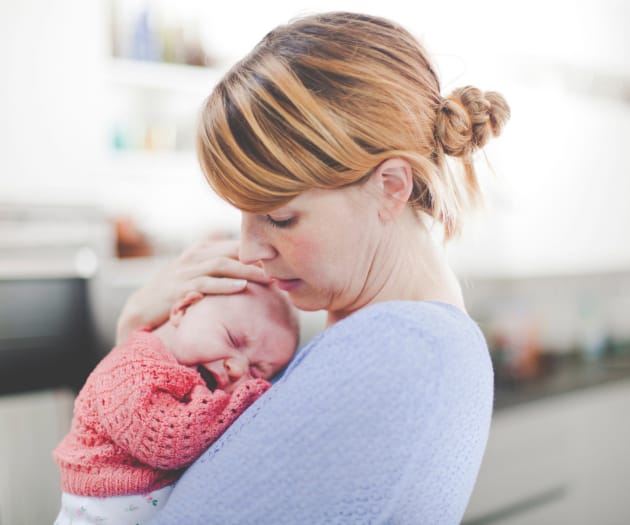
- Lots of cuddles (this one's easy and enjoyable!)
- Physical closeness provides comfort and supports digestion
- Reduces stress responses that can affect gut comfort

Introducing solid foods: what does this mean for your baby’s gut health?
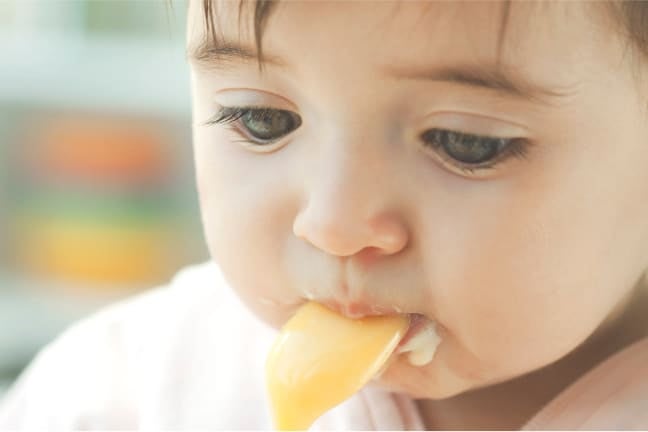
The NHS recommends introducing solid foods around 6 months5, which aligns well with gut microbiome development and digestive readiness. The gradual introduction of solid foods marks a significant milestone in gut microbiome development. This is when bacterial diversity expands substantially as your baby begins encountering new types of nutrients and fibres.
Introducing variety: helping your baby explore new foods
Did you know, offering a wide variety of foods5 from around six months helps to support your baby’s microbiome diversity. This is because, different foods contain different types of fibre and nutrients, all of which are needed to support the development of the different types of good bacteria² that support a healthy gut.
When introducing variety into your baby’s diet, there are different food groups to keep in mind:
Vegetables:
- Different colours (green, orange, red, purple)
- Various textures (soft, mashed, finger foods as appropriate)
- Different preparation methods (steamed, roasted, raw when safe)
Fruits
- Range of flavours from mild (banana, pear) to stronger (berries, mango)
- Different textures and ripeness levels
- Fresh, cooked, or mashed depending on age and ability
Grains
- Oats, rice, bread, pasta, buckwheat, quinoa, barley
- Wholegrain versions when appropriate for age
- Variety in grain types supports diverse bacteria
Protein foods:
- Meat, fish, eggs (well-cooked)
- Beans, lentils, tofu
- Different protein sources provide different nutrients
Dairy
- Full-fat yoghurt, cheese and milk as appropriate
Following NHS weaning guidance5 on appropriate foods and textures by age ensures safe introduction while building microbiome diversity.
Build variety gradually
There's no need to rush variety in the early days of weaning. Introduce new foods at your baby's pace, allowing time for them to explore textures, tastes, and sensations. Variety across weeks and months, rather than trying to achieve it daily, is what supports long-term microbiome diversity.
Repeated exposure helps babies learn to accept and enjoy new foods. It often takes multiple offerings before a baby accepts something unfamiliar, and this is completely normal.
These exposures help shape microbial diversity gradually and naturally.
When should I speak to a healthcare professional?
While many aspects of digestion and development vary normally between babies, certain situations warrant professional assessment.
- Ongoing tummy discomfort – vomiting diarrhoea or difficulty passing stools – that doesn't ease with usual comforting measures
- You’re worried about constipation or diarrhoea
- Feeding or growth concerns arise
- Something simply doesn’t feel right – trust your gut! (pun intended)
Your GP, midwife or health visitor is there to help, you don’t need to wait until something feels “serious.” Gut health isn’t about doing everything perfectly. It’s about understanding your body, supporting it gently and responding to your baby with love and comfort. There are many different ways to build a healthy foundation, and you’re already doing so much of what matters most.
Supporting your baby’s gut development
Your baby's gut microbiome development is a gradual, natural process that unfolds throughout infancy and into childhood. It begins in the womb1, continues at birth when your baby encounters new, different types of bacteria, and evolves through feeding, family contact, home environment, and eventually the introduction of varied solid foods5.
Supporting this development doesn't require perfection, expensive supplements, or specialised protocols. The simple, everyday care you provide – responsive feeding, plenty of skin contact and cuddles, and gradually offering a variety of appropriate foods – naturally supports your baby's gut health and overall development.
Every baby's gut microbiome is unique3, shaped by their individual birth, feeding, and environmental journey. This diversity is healthy and normal2.
Trust your instincts, seek support when you need it, and know that the loving, attentive care you provide is exactly what your baby needs for healthy gut development.

Author
Sophie Mumby
Registered Dietitian
Sophie is a Registered Dietitian with over 10 years experience working across NHS and private practice. She has a first class honours undergraduate masters degree in Nutrition and Dietetics and a post graduate certificate in eating disorders.
Share on