


Introduction
When you’re caring for a baby, your focus is on the essentials: feeding, sleeping and keeping them comfortable. Gut health may not be the first thing on your mind. But in the early months, their gut is still developing, and that can play an important role in digestion and overall wellbeing. That’s why probiotics and prebiotics are often part of the conversation, because they are discussed as supporting a healthy gut microbiome as your baby grows. Human breast milk contains its own unique friendly bacteria which is important in supporting your baby’s gut bacteria (the microbiome).
What are probiotics and prebiotics?
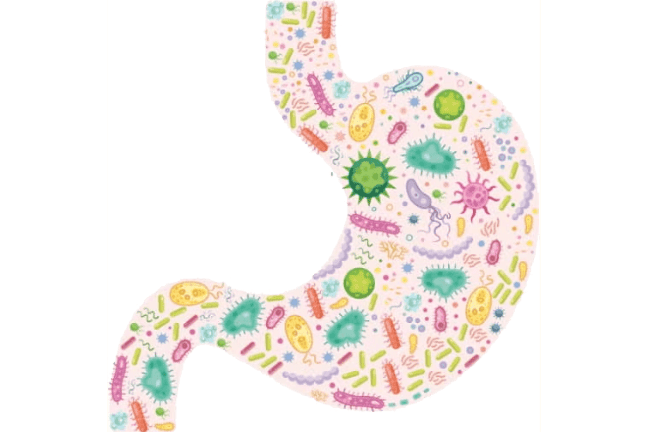
Probiotics, often called “good bacteria”, are live microorganisms that help support a balanced gut microbiome – the community of microorganisms that support digestion and overall health.
Some probiotic strains, such as Lactobacillus reuteri (L. reuteri) and certain bifidobacterium strains, have been studied for their role in aiding digestive comfort and overall health. For example, L. reuteri is often discussed in relation to colic in babies and supporting digestive comfort1.
Prebiotics, such as galacto-oligosaccharides (GOS) and fructo-oligosaccharides (FOS), are types of fibre that help nourish the good bacteria already living in your gut. By fuelling good bacteria, prebiotics can enhance the gut’s ability to maintain balance and function as a healthy gut should2.
Together, probiotics and prebiotics contribute to a strong microbiome, laying the foundation for healthy digestion and immunity in childhood and beyond.
Probiotics and prebiotics support baby gut health and gut microbiome development.
- probiotics = live good bacteria
- prebiotics = food for those bacteria
- synbiotics = mixture of both probiotics and prebiotics
Why should I think about probiotics and prebiotics and my baby?
In early life, a baby’s immune system is still developing, which is one reason gut health is often discussed in infancy. One of the foundational elements of how the immune system develops is the gut microbiome. Gut health is an important, often overlooked, aspect of a baby’s development.
Early gut development begins before birth and continues after delivery. Maternal gut health is one of the many influences on a baby’s early development as bacterial products and metabolites pass through the placenta from the mother into the fetus6.
Once your baby arrives, feeding becomes an important part of supporting the gut microbiome and overall gut health.
Prebiotics and infant nutrition
When thinking about prebiotics and infant nutrition, there a couple that are worth familiarising yourself with:
HMOs
Human milk oligosaccharides, or HMOs, are naturally present in breast milk and act as specialised prebiotics that help nourish beneficial bacteria in infancy3. 2’FL stands for 2’-Fucosyllactose and is one type of HMO found in breast milk.
GOS
Galacto-oligosaccarides, or GOS, are prebiotic fibres, or complex carbohydrates, that act as food for good bacteria in your baby’s gut.
When choosing formula, carefully read the labels as not all formulas are designed to support gut health in the same way.
Common myths about probiotics and prebiotic
“Every baby needs a probiotic” – Not true. Many healthy babies do not need a probiotic supplement.
"More is always better” – Also not true. Different strains do different things, and more is not automatically better.
“Prebiotics and probiotics are the same” – They are not. One is a live bacterium; the other is food for beneficial bacteria.
“Supplements should replace food” – They should not. Food-first is usually the better long-term approach once a baby is old enough for solids.
Moving to solid foods: food-first options for gut health
As babies begin solids, age-appropriate foods can help support gut health by providing fibre and, where suitable, natural sources of beneficial bacteria.
Depending on age and tolerance, you may want to think about:
- Live yoghurt, suitable for your baby’s stage
- Fruits and vegetables like bananas, apples, and carrots, which are high in prebiotic fibres
- Whole grains such as oats and barley
- Beans and lentils in soft, baby-friendly textures
- Fermented foods like kefir, so long as they are age-appropriate and low in salt
These kinds of foods can help support a balanced diet4 without making the feeding routine more complicated.
It’s not just about foods good for gut health. Drinking plenty of fluids is also an important part of staying healthy and caring for your gut. For little ones and little tummies, water is preferable5.

Thinking about probiotics and prebiotics at every development stage
Newborns
For newborns, there’s no better start you can give your baby than breastfeeding. If you’re not able to or choose not to breastfeed, correctly prepared infant milks may be used on the advice of a healthcare professional.
At this point, parents often search for what is gut health or how to improve gut health – but for a newborn, the best answer is usually straightforward feeding and reassurance.
Weaning babies
Once weaning begins, parents can start thinking about prebiotic foods, fibre, and a wider range of textures and flavours. This is often the right time to build a simple best diet for gut health rather than jumping straight to supplements.
Toddlers
Toddlers can usually get gut-supportive fibres through a varied diet, provided the foods are age-appropriate. A balanced mix of fruit, vegetables, grains and other fibre-rich foods is often more helpful than a supplement unless there is a clear reason to use one.
Do babies need supplements?
For most healthy babies, probiotic or prebiotic supplements are not routinely needed. If you are considering probiotics or prebiotics for your baby, a healthcare professional can advise whether they are appropriate for your baby’s needs. In many cases, supplements aren’t necessary because breast milk, formula and age-appropriate foods provide the support needed for gut health.
When to seek professional advice?
If you have questions about probiotics and prebiotics, it’s always best to consult a healthcare professional before making any changes to feeding, especially if:
- Your baby was born prematurely
- Tummy troubles or colic persist
- There are signs of feeding difficulties or symptoms such as vomiting or blood in stool
- Has specific medical conditions, allergies, or is taking medication
- If something doesn’t seem right
What to remember about probiotics and prebiotics for little ones
Probiotics and prebiotics can play an important role in nurturing healthy gut development for babies, but supplements are rarely necessary for healthy infants. Instead, focus on providing a balanced, age-appropriate diet and consult a healthcare professional if digestive concerns arise.
For most families, a thoughtful, food-first approach, combined with careful label reading and professional advice when needed, is the best way to support your baby’s gut health.

Author
Sophie Mumby
Registered Dietitian
Sophie is a Registered Dietitian with over 10 years experience working across NHS and private practice. She has a first class honours undergraduate masters degree in Nutrition and Dietetics and a post graduate certificate in eating disorders.
Share on