

Introduction
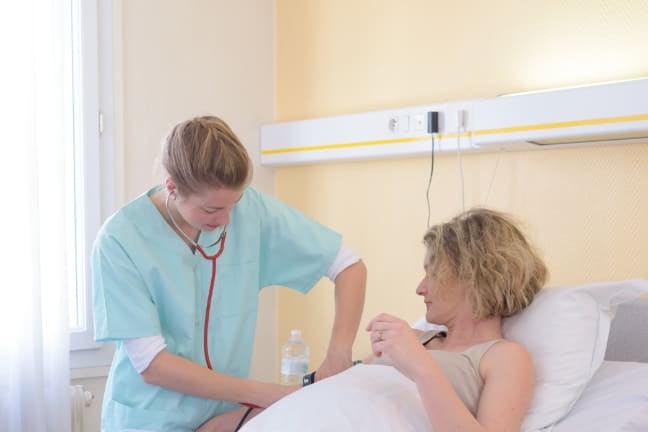
Going home after your C-section can feel daunting at first which is why preparing your home environment ahead of time with your recovery in mind is a good idea. We’ve put together some handy tips to help you prepare.
Prioritising rest and recovery in the first weeks after a C-Section
Consider ways in which you can set up your space to prioritise your healing, such as having a baby changing station set up both upstairs and downstairs so you don’t have to keep using the stairs multiple times a day or making your bedroom feel comfortable with everything you need to spend some days resting in bed when you first come home.
This can also include having prior conversations with your partner or family to limit visitors in the first couple of weeks and remove any commitments that mean you can’t rest as needed. If you have other children, make plans for others to help with nursery or school runs, or some additional childcare while you are recovering.
We often hear from mothers who have struggled with the idea of not keeping on top of the housework or caring for others; but then experience issues with poor wound healing or longer recovery times as a result of over-exertion. Allowing yourself adequate time to rest in the first two weeks postpartum is necessary, since this is a critical period of tissue healing. Beneath the skin, your body is actively repairing multiple layers of tissue and laying the foundations for long-term recovery.
Managing pain after a C-section
Three things women often tell us they struggle with most are:
- Going to the toilet
- Getting out of bed
- Coughing, sneezing or laughing
Good pain management is really important in the first couple of weeks, if you’re struggling a lot with pain then it’s sensible to speak with your doctor to ask them to review your medication. However, there are some unavoidable tasks that can feel painful or frightening when you’re recovering from C-section surgery.
Coughing, sneezing and having your first bowel movement after surgery can cause pain around the abdomen and incision site due to the pressure and strain on the wound. Here’s some suggested tips to make it easier:
- Try rolling up a towel or a pillow and lightly pressing it against your lower abdomen to support the area while you cough or sneeze, it will help to reduce the pain.
- Stay well hydrated after surgery to soften your stools and ensure your first bowel movement feels more comfortable
- Put your feet on a small stool or step when sitting on the toilet and lean forwards gently to be in an optimal position for passing a bowel movement - you might also find pressing a towel or pillow against the wound whilst going helps too.
Rolling onto your side before sitting up or tying a sheet to the end of the bed post to pull up from can make getting out of bed easier.
What to expect during your C-Section recovery at home
Recognising the signs of recovery and avoiding overexertion
Remember that at first, pain medication may be masking a lot of discomfort which can then lead mothers to feel they could or should be doing more. You should also monitor your postpartum bleeding (called Lochia) which should be slowing down after a couple of weeks. It’s normal for bleeding to continue for 6 weeks, but if you notice it becomes heavier again then this is often a sign of overdoing it.
Looking after your mental and emotional wellbeing
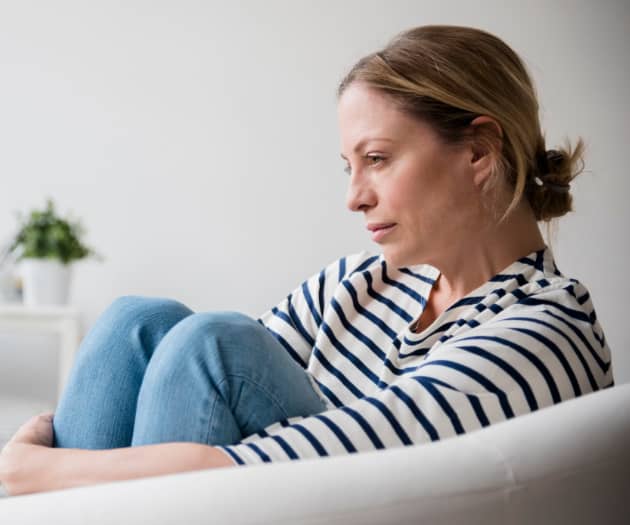
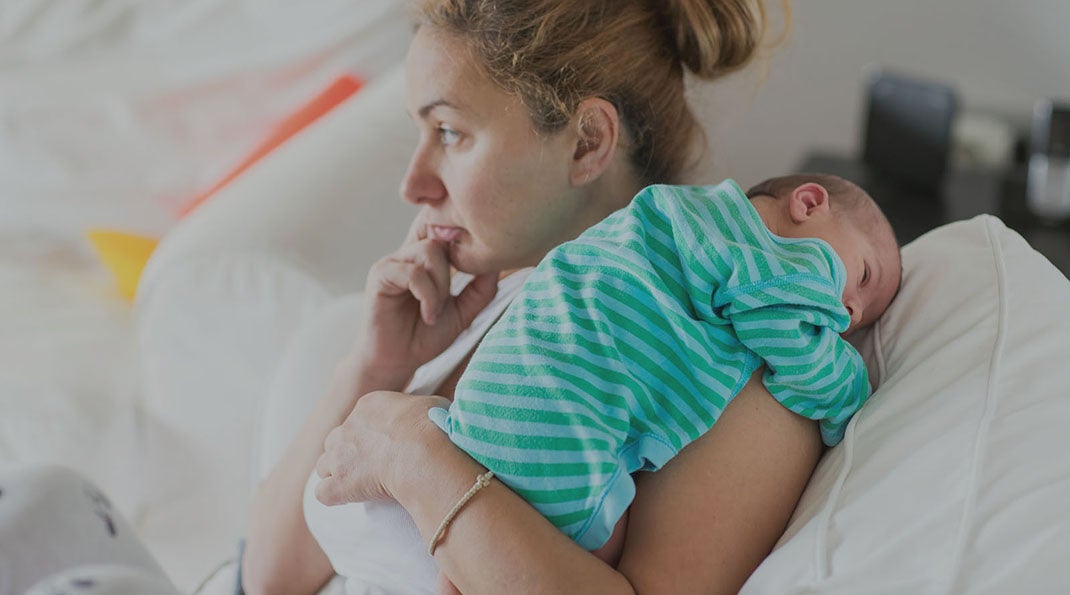
As well as navigating your physical recovery you’ll likely also experience some mental or emotional health challenges in the early days and weeks. Many women report feeling tearful, anxious or exhausted when returning home after birth and in the days that follow, but if you are concerned about how you’re feeling, or your mood does not improve then you should seek support.
Breastfeeding challenges and where to get support
If you choose to breastfeed, it’s helpful to know that it can be slower to establish feeding at first. If you are struggling with pain, breast engorgement, difficulty getting baby to latch or just feeling unsure about feeding then ask your health visitor for advice.
Caring for your C-Section scar and preventing infection
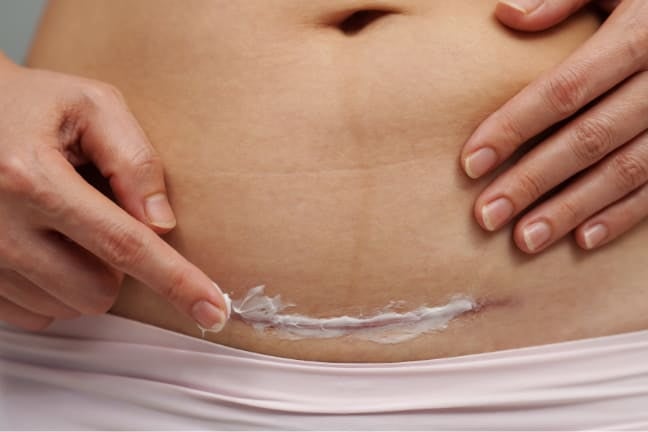
You should be told before you leave the hospital how to keep your scar clean and how to bathe. Most people are advised not to have a bath for at least a couple of weeks after surgery while the wound heals, but if you’re needing to change dressings then it’s important to keep the area clean to avoid infection. Your midwife or health visitor can help you with this when they visit you at home, but if you’re unsure then ask. When you do start cleaning the wound, we advise using a shower head to wash clean water over the area, but avoid using soaps as these can irritate and dry out the wound.
Gradually returning to daily activities and exercise
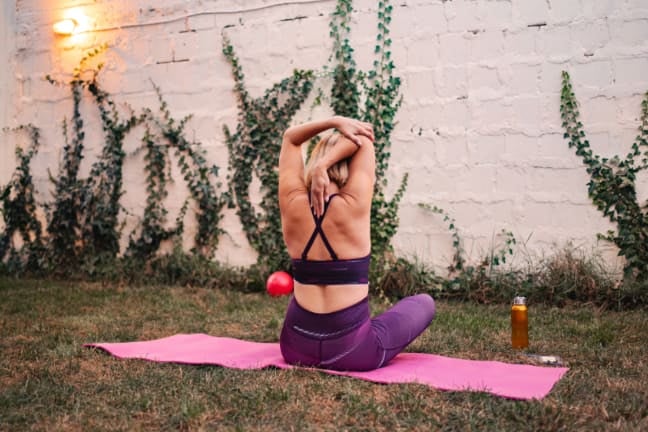
As movement becomes more comfortable, you can start to do a little more around the house and then eventually begin to introduce short walks outside to help boost your mood and support your recovery. For more information about returning to exercise after birth we’ve got a specific blog which covers this in more detail.
The 360 Mama
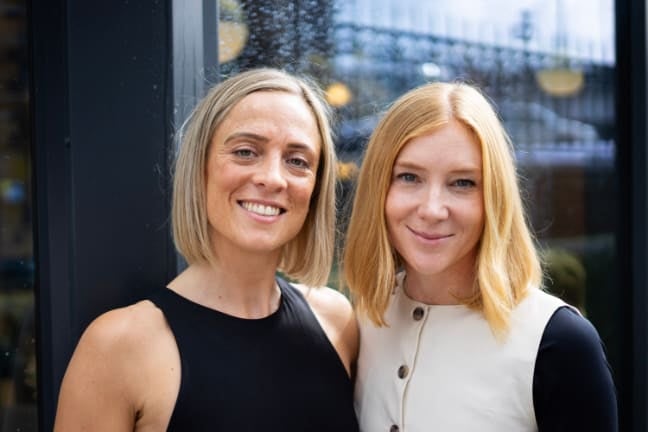
The 360 Mama are a team of postpartum experts who are passionate about improving the lives of mothers after pregnancy and birth. Emma, a pelvic health Physiotherapist and Pilates Instructor and Hannah, a soft tissue and scar massage therapist are both mothers themselves, and recognise the need for better support and education for modern mothers to thrive after birth.
Emma has been practising as a Chartered Physiotherapist for 15 years, with a BSc (Hons) in Physiotherapy and MSc in Sports & Exercise Medicine. Her further interest in rehabilitation and exercise led her to qualify as a Pilates Instructor with the Australian Physiotherapy & Pilates Institute, and later go on to specialise in Pre and Postnatal Pilates training. Her passion to support women through pregnancy and beyond resulted in further postgraduate training in pelvic health and she is now a qualified Mummy MOT practitioner and a member of the Pelvic, Obstetric and Gynaecological Physiotherapy professional group.
Hannah qualified with a BTEC level 5 in sports and remedial massage in 2013. Passionate about women's health she furthered her training in Pregnancy and Postnatal Massage and Abdominal Scar Massage, Scar work with the UK leading scar massage therapist and in Oncology Massage. She is also qualified in medical acupuncture. Hannah is a member of both the Complementary Health Professionals Association and a gold member of the Sports Massage Association.
Share on