

Introduction
A C-section is a major abdominal surgery. The wound affects several layers of tissue, muscle, and the uterus itself, and recovery can take time, often longer than many are led to believe. Knowing how to care for a C-section wound, and eventually the scar can make a real difference to how you’ll feel later on.
What to expect after a caesarean birth: hospital recovery and going home
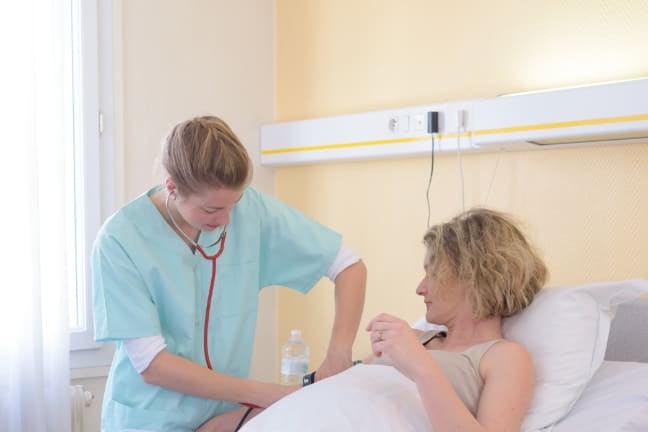
Around 1 in 4 births in the UK are by caesarean, yet many women report feeling underprepared for what to expect in hospital and how they can support their recovery once they return home. If possible, ask your care provider before your birth what to expect so that you can plan ahead. Every hospital has a slightly different protocol so if you’re planning for a C-section delivery, it’s helpful to know the protocols your chosen hospital follows. Most people who have had a Caesarean birth will spend some time recovering on the postnatal ward before going home. During this time, your healthcare team will monitor your recovery, help you manage pain, support you with feeding your baby, and check that your wound is healing well.
C-Section recovery tips: wound care, pain relief and preventing infection
We know many of you may not have planned a C-section birth, so we’ve included some tips here to help you feel more confident about what to expect and how to care for your wound in the early days:
- The type of dressing used on your wound can vary between hospitals and NHS Trusts. Some dressings are simple waterproof dressings designed to protect the wound while it begins to heal, while others may be specialised dressings intended to remain in place for several days. You should be told which type of dressing you have and instructions for what to do with it. If you’re unsure then ask your midwife to write it down.
- Before returning home, make sure you have some written instructions from your birth team about when to take your pain relief medication and any other medications prescribed and when to expect your midwife home visit.
- Know the signs of C-section infection and be proactive about seeking help from your GP or midwife team if you have any concerns.
If you notice any of these signs or have any concerns speak to your midwife, GP or healthcare professional.
Signs of C-section infection
- Worsening pain at the incision or in the abdomen
- Area around the scar starts to look angry and red. Monitor for signs of redness spreading
- The area becomes hot to touch or swollen
- Discharge from the wound or a foul, unpleasant odour oozing from the wound
- The edges of the incision begin to pull apart or open
- Fever: A high temperature of 38°C or higher
- Flu-like symptoms: Chills, shivering, or a general feeling of being unwell or achy
- Vaginal or urinary changes: Foul-smelling or abnormal vaginal discharge, heavy vaginal bleeding, or pain/difficulty when urinating
If you notice any of these signs or have any concerns speak to your midwife, GP or healthcare professional.
Nutrition after a C-Section: foods to support recovery and healing
Nutrition also plays an important role during this time to aid healing and tissue repair as well as sustain energy levels and support breastfeeding if you choose to. It’s another way in which you can prepare ahead of time by stocking your freezer with healthy, nutritious meals. Alternatively you could ask family or friends who wish to support you to provide some meals so that you can eat well even when you’re too tired to cook. It can be tempting to rely on takeout and convenience food when you’re exhausted, but particularly in this phase of recovery what you eat can impact how well you heal and how you feel.
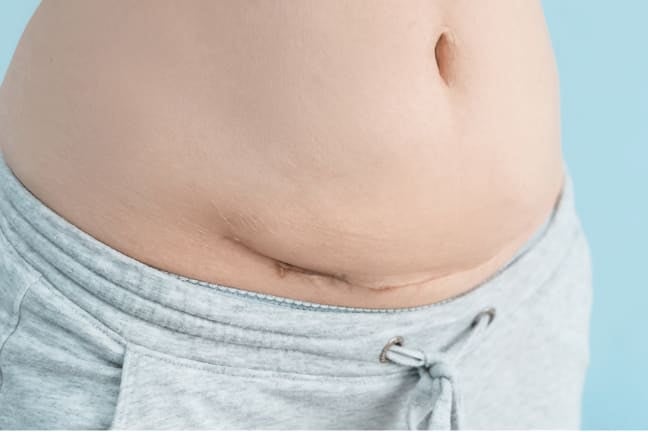
C-section scar care: scar massage, silicone strips and reducing overhang
Caring for a C-section scar in the early weeks
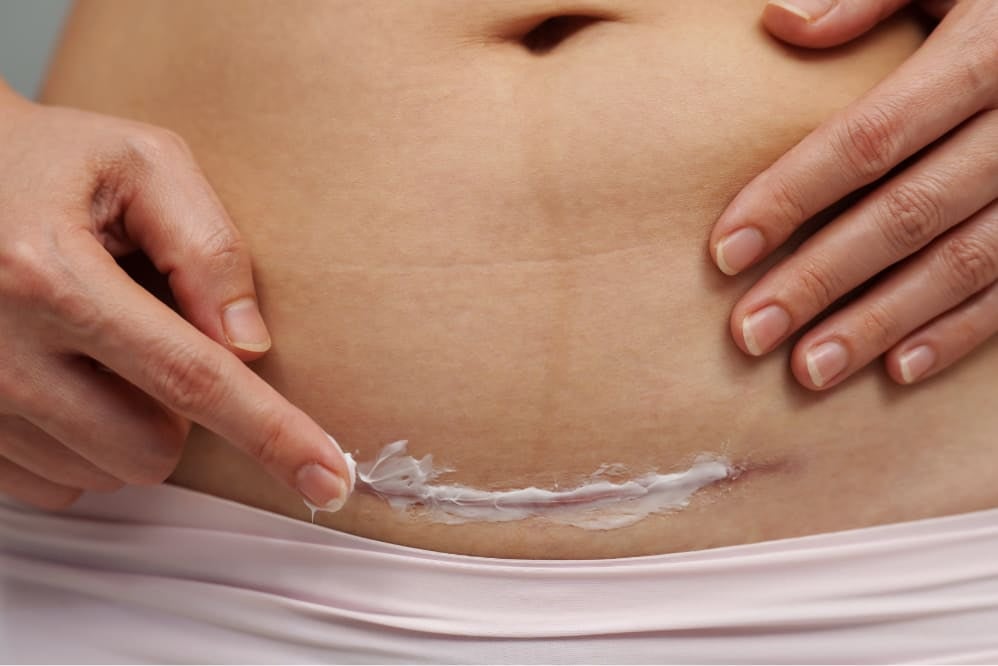
Once your wound has closed you can begin some simple self-care to help support your scar to form well and reduce longer-term issues such as pain, numbness, sensitivity, tightness or dysfunction. It’s very common for women to report feeling uncomfortable with their scar, difficulty looking at it or touching it, particularly if you’ve had a difficult birth experience or had not expected to have a caesarean delivery.
From 2 weeks you can use a specially formulated repair oil to help improve wound healing, and from 6 weeks introducing a medically-graded silicone strip is considered to be the gold-standard of care for scars. Keeping your scar well hydrated can help to prevent sensitivity, itching, tightness and even the overhang that can occur due to a build-up of scar tissue and adhesions between the layers creating a shelf.
When can I start scar massage after C-section?
When your scar has fully healed, with no remaining scabs you can start to introduce gentle massaging techniques that help:
- To move the layers of tissue
- Help with lymphatic drainage
- Promote blood flow to improve the healing process and appearance of your scar.
There are many different massage techniques, of which some are better suited to particular types of scar so we do strongly recommend seeking the advice of a healthcare professional first and only following specific recognised routines or programmes when performing scar massage at home.
Remember that your scar goes through different phases of healing over many months and won’t reach full maturity for 2 years so if you are concerned about symptoms or unhappy with the way your scar looks, there is lots you can do to help resolve things. Many women feel uncertain about how to care for their C-section scar and are often unaware that simple techniques can support healing, mobility, and long-term comfort. That's why we created The 360 Mama programme and platform, providing expert guidance and practical resources to help you feel confident in your body after birth.
Feeling confident in your body after a C-Section
You can absolutely be proud of your body for everything it has achieved, but still feel alienated by your scar. The ‘shelf’ or ‘overhang’ that commonly occurs at a C-section scar often leaves people feeling unhappy with the appearance of their tummy and can have a big impact on their confidence. There should never be any pressure to change your body, but equally, no shame in wanting to treat the scar if you’re unhappy with it. Many of the same things that can help improve an overhang can also support scar mobility, posture, core function and overall comfort.
Through working with postpartum women in our clinics for many years, as well as engaging with our online community, we know that understanding what causes an overhang, and what you can do to help improve it is one of the most asked questions we hear. Mothers deserve to be well-informed so they can make better choices for their recovery and body.
What causes a C-section overhang?
- Scar tissue can cause adhesions, sticking your scar to the below tissues and creating a pulled in scar, then your tummy hangs over the top
- Weak core muscles. Learning to re-engage your deep core more effectively can help to change the appearance and function of your stomach
- Diastasis (tummy separation) could be creating a more rounded appearance to your abdomen. A small percentage of people develop a hernia post-birth which can cause a bulging abdominal wall. If you have any concerns about this it’s best to get it assessed by a professional.
- Swelling. You’ve had major surgery - swelling is a normal part of recovery but some bodies need some extra help in getting rid of this
- Tummy fat. This is totally normal post birth and weight loss can’t be ‘targeted’ to any particular area with any diet or exercise plan. Recovering should be your priority, your body needs fuel to do this so this is not the time to introduce any extreme diets or exercise
- Other considerations include, stress, poor sleep, poor nutrition, dehydration, all of which have an impact on how the body is healing and functioning.
Many of these issues can be improved with the right support, including massage routines, specific exercises and lifestyle advice. When you address them, the appearance, function and sensation of the tummy can change as a result. This isn’t about ‘bouncing back’ to a pre-baby body, it’s about honouring your new body and taking good care of it as you recover.
The 360 Mama

The 360 Mama are a team of postpartum experts who are passionate about improving the lives of mothers after pregnancy and birth. Emma, a pelvic health Physiotherapist and Pilates Instructor and Hannah, a soft tissue and scar massage therapist are both mothers themselves, and recognise the need for better support and education for modern mothers to thrive after birth.
Emma has been practising as a Chartered Physiotherapist for 15 years, with a BSc (Hons) in Physiotherapy and MSc in Sports & Exercise Medicine. Her further interest in rehabilitation and exercise led her to qualify as a Pilates Instructor with the Australian Physiotherapy & Pilates Institute, and later go on to specialise in Pre and Postnatal Pilates training. Her passion to support women through pregnancy and beyond resulted in further postgraduate training in pelvic health and she is now a qualified Mummy MOT practitioner and a member of the Pelvic, Obstetric and Gynaecological Physiotherapy professional group.
Hannah qualified with a BTEC level 5 in sports and remedial massage in 2013. Passionate about women's health she furthered her training in Pregnancy and Postnatal Massage and Abdominal Scar Massage, Scar work with the UK leading scar massage therapist and in Oncology Massage. She is also qualified in medical acupuncture. Hannah is a member of both the Complementary Health Professionals Association and a gold member of the Sports Massage Association.
Share on